Can a Travel Nurse Live in a Hotel?
Yes, you can live in a hotel as a travel nurse. But the real questions is should you?
When you get that assignment offer and the start date is close, housing becomes urgent. A hotel feels easy. No lease. No paperwork. You book it in five minutes and you are done.
That convenience is real. But before you commit to living in one for eight to thirteen weeks, let’s find out how this may affect you and what you should look out for.
Let’s dive in..
Why Hotels Feel Like the Safe Choice at First

The idea of moving to a new place as a travel nurse and living in a hotel sounds cool and high class.
Here is why hotels are tempting:
- No long term commitment – Unlike rented apartments, you don’t have to stay for a long time if it stops being inconvenient for you.
- No security deposit in most cases – In most cases, hotels have security details in position. One you are not asked to pay for *(at least not directly)
- Flexible check in and check out – knowing you can check out any day and time you wish can be refreshing
- Cleaning services available – Many hotels have cleaners who visit the room on a daily basis to keep it clean and liveable for its customers (you in this case).
- Immediate availability – Hotels almost always have available rooms for booking, never leaving you stranded.
If your assignment starts in a few days, a hotel can absolutely save you.
For short stays, they work well.
That mentioned, let’s find out the other side of living in a hotel as a travel nurse
The Cost of Staying in a Hotel Long Term
Here is where things start to shift. Hotels charge by the night.
Even if you get a discounted extended stay rate, the math adds up quickly.
Let’s say you pay 120 dollars per night.
That is roughly:
- 3,600 dollars for 30 days
- Over 10,000 dollars for a three month assignment
And that does not include taxes, parking fees, or food costs from eating out more often.
Compare that to a furnished short term apartment with a monthly rate, and the difference becomes obvious.
Hotels feel easy. Apartments are usually smarter financially.
Space Becomes a Luxury You Can’t Afford
When you live in a hotel, you are living in one room.
You sleep there. Eat there. Watch shows there. Decompress there. After a few weeks, it can start to feel tight.
A rented apartment gives you separation.
- A bedroom just for sleep
- A living area to unwind
- A full kitchen
- Storage for your things
- A more normal routine
That physical separation helps your mind reset after long shifts.
Food and Routine Keep Drilling Your Purse

Most standard hotel rooms do not have full kitchens. Even extended stay hotels usually have limited setups.
That often means:
- More takeout
- More delivery
- More microwaved meals
Over time, that impacts your budget and your energy.
With a short term apartment, you can grocery shop, meal prep, and eat in a way that supports your schedule. That makes a big difference during twelve hour shifts.
The Mental Side of Long Hotel Stays
There is something about hotels that feels temporary. Because they are.
When you are staying somewhere for months, constantly feeling like a guest can wear on you.
An apartment allows you to unpack properly. You can settle in. You can create a small routine.
That stability helps when everything else in your life changes every few months.
Apartments for Travel Nurses in Canada
From my observation, nurses prefer to live in rented apartments rather than hotels for different reasons. But most of which is to stay in the company of their fellow healthcare professionals.
I figured you may prefer that too, so I brought a handful of apartments you can check out if they meet your standard requirement.
Here you go:
Bright quiet top floor 1 bedroom in old Victoria
Quiet beautiful reprieve in central Winnipeg
Contemporary condo with heritage flair
2-bedroom close to Moncton hospital
The fun and rest of mind that comes with rented apartments is second to none. You get to share wonderful moments with your peers and keep each other company.
This way, your physical and mental health stays enhanced, keeping you in the best headspace to do what you know best.
When a Hotel Actually Makes Sense
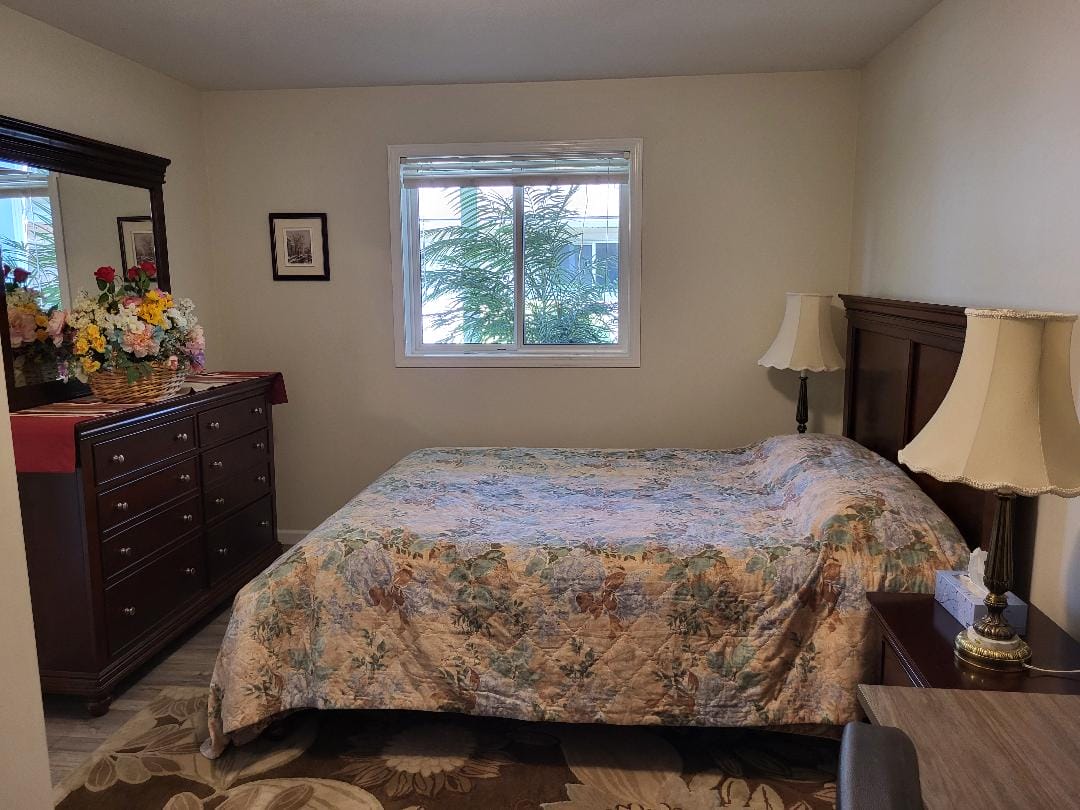
Now let’s be fair. Hotels are not bad. They make sense in certain situations.
Short term bridge housing
If you need a place for a week or two while you secure a longer rental, hotels are perfect.
Last minute assignments
If your start date is very close and you need immediate shelter, book the hotel.
Testing a new city
If you want to explore neighborhoods before signing a lease, a hotel gives you breathing room.
In these cases, hotels are strategic.
They just are not always ideal for the full assignment.
Why Most Travel Nurses Switch to Apartments
What I see most often is this.
Travel nurses book a hotel for the first few days. Then they move into a furnished short term apartment once everything is confirmed.
That gives you:
- Immediate flexibility
- Time to verify the area
- Lower long term cost
- More comfort and space
It is a balanced approach that reduces risk.
Conclusion – So Can You Live in a Hotel?
Yes. Absolutely.
But if your assignment is eight to thirteen weeks, a furnished short term apartment is usually the better long term move.
You get:
- Better value for your money
- More space
- A full kitchen
- A real sense of home
- Better rest between shifts
You already work hard. Your housing should support you, not limit you.
If you are comparing options, take a look at short term furnished apartments designed for travel nurses.
Platforms like Travel Nurse Houses make it easier to find move-in ready spaces that fit your assignment length.
You deserve more than just a room. You deserve a place that feels steady while everything else is changing.